
Ever since we started using YouHue, it has been a game-changer in the way we discuss emotions and well-being. I thought I would expand a little on a tweet I sent out recently, particularly as it involved the way in which I have used and embedded YouHue to teach emotional literacy.

First things first, it has almost given me a new teacher superpower to tune into how the kids are feeling when they stroll in, especially those who used to keep their emotions locked up. This is gold because it helps us figure out if the kids are in the right headspace to learn. Speaking of practical matters, before YouHue, I would often have a swarm of children coming up to me after lunch, wanting to offload about some friendship dilemma during lunch. Dealing with these after-lunch debriefs used to occupy a significant portion of our afternoon. But with YouHue, the children can vent, and either the learning support assistant or I can follow up with them throughout the afternoon.
This opened up an opportunity to use YouHue as it was intended—to teach the class about emotions. My year group partner and I found it interesting that the children found it tough to identify how they were feeling, in a similar way to how they struggled to understand characters’ emotions in stories or texts we’ve read. So, we decided to dive deep into the emotions “sad” and “anxious” because they were the most popular choices among the children. We discussed when we might feel sad or anxious and delved into questions like what happens to our bodies when we’re hit with these feelings and what these emotions might look like. We even played with words, using the “paint tester” trick to brainstorm other words for these emotions. We encouraged the children to think about what they’re feeling before they experience sadness or anxiety.

When we talked about sadness and anxiety, it was important to remember that everyone goes through these feelings at some point in life. They can arise for all kinds of reasons and come with their own set of physical and mental side effects. This was crucial because we didn’t want the children to feel like they couldn’t experience these emotions or that it wasn’t what they were feeling. Equally, a number of the children identified that as Year 6 students, they are changing sometimes from minute to minute, given their significant hormone changes. I thought this, in itself, was an interesting point to add as it showed a level of emotional intelligence. Here, some of the children thought about maybe checking in after lunch, after they have perhaps read a page or two of their book; they thought this gives them the opportunity to regulate a little and be able to talk about how they feel with a clearer mind.
We discussed what happens when sadness hits, how you can feel a shift in your mood. It’s like a dip in your happiness levels, and you might carry this heavy or empty feeling. Physically, the children said it might bring tears, a slouchy posture, more tiredness, or a loss of appetite. We then talked about things that could make us feel sad, from things like losing a loved one or a pet to arguing with a parent or friend before school or at lunch. Some other examples the children offered were feeling like a failure after not understanding something in math or English, or just being super disappointed; this can trigger this sadness. Here we talked about how sadness tends to linger, and if it does come and go, then perhaps we’re okay, and maybe a little more detail is needed, as often some of the children would say that they feel sad but wouldn’t add any context to it, like below.

Now, anxiety, that’s a whole different emotion to unpack. It’s all about feeling uneasy, worried, or freaked out about things that are coming up or things that are pretty uncertain. I felt as a teacher that anxiety can be a loaded word; you may disagree. However, to me, it seems anxiety is a continuous feeling of unease or uncertainty and often for unexplained or misunderstood reasons. We talked about how your body might show signs like a fast-beating heart, shortness of breath, sweaty palms, trembling, or feeling all jittery. You might also have a racing mind, trouble focusing, and sleep struggles. Anxiety can strike when you’re facing things like exams, sharing something in public, job interviews, or big life changes.
But here’s the thing: emotions usually don’t stand alone. They often come bundled with other feelings or get influenced by what’s going on in your life. This is why we felt it important to use these things as a ‘teachable moment.’ We could have just had a basic ‘circle time,’ but then we wouldn’t be completely valuing how the children feel, as well as addressing the misunderstanding around these two powerful emotions. YouHue is definitely an important classroom tool, and it allows us as teachers and the children to get the hang of this emotional journey; we can use it together to figure out different ways to handle these emotions and help the children build up their emotional superpowers.
We encouraged the children to tackle these feelings by sharing on YouHue but also by reflecting on how they ‘might be feeling’ as well as leaning on their peers for support and practicing self-care with things like exercise and mindfulness. It was important to remind them that feeling sad or anxious from time to time is totally normal, and making moves to manage them is pretty brave. However, it was also important to understand that a moment of sadness isn’t necessarily as drastic as they might expect, and like some of the children said, they are going through a lot of emotional changes and they are likely to be ‘okay.’
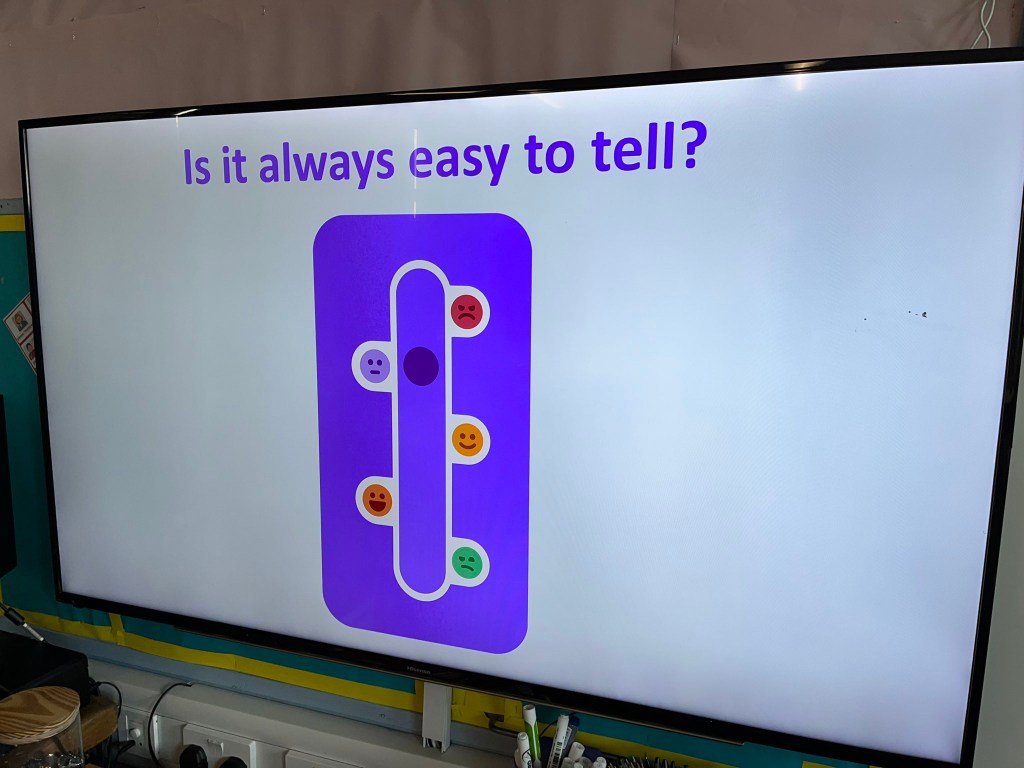
So we tried to come up with some fresh words for our emotional vocabulary. Most days, we’re fine and probably feel “okay,” but there might be moments when we’re just a tad sad. This is when we reminded them to add a bit of context to their feelings as it can go a long way. Some kids mentioned they felt anxious, like when they had football trials or were auditioning for the drama club. But when we discussed it, it turns out that a lot of times, that feeling is more like excitement or anticipation. “Excited” was on the menu for them to pick, but “anticipation” wasn’t, although we did drop the hint that they could expand on their feelings in the comments section.
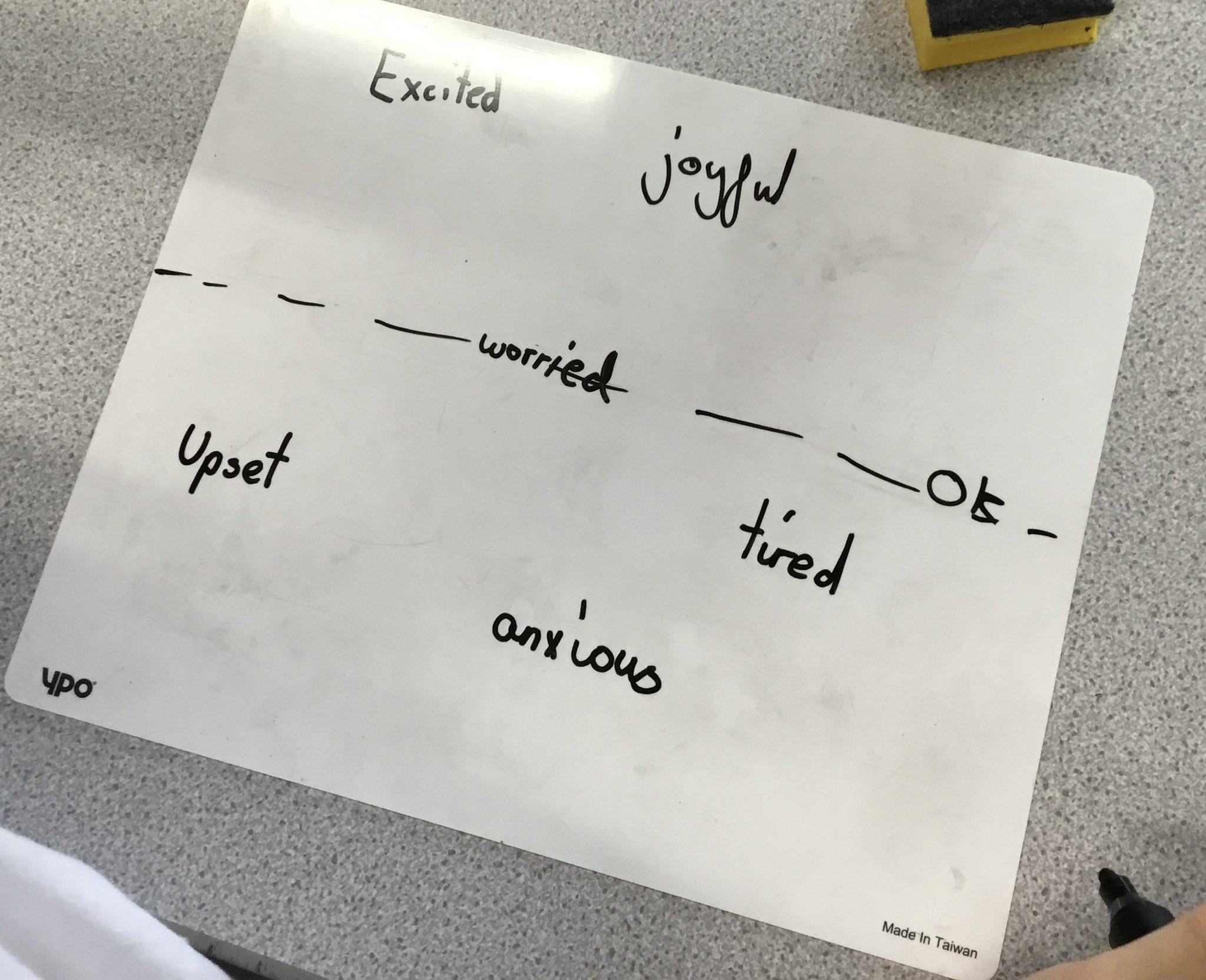
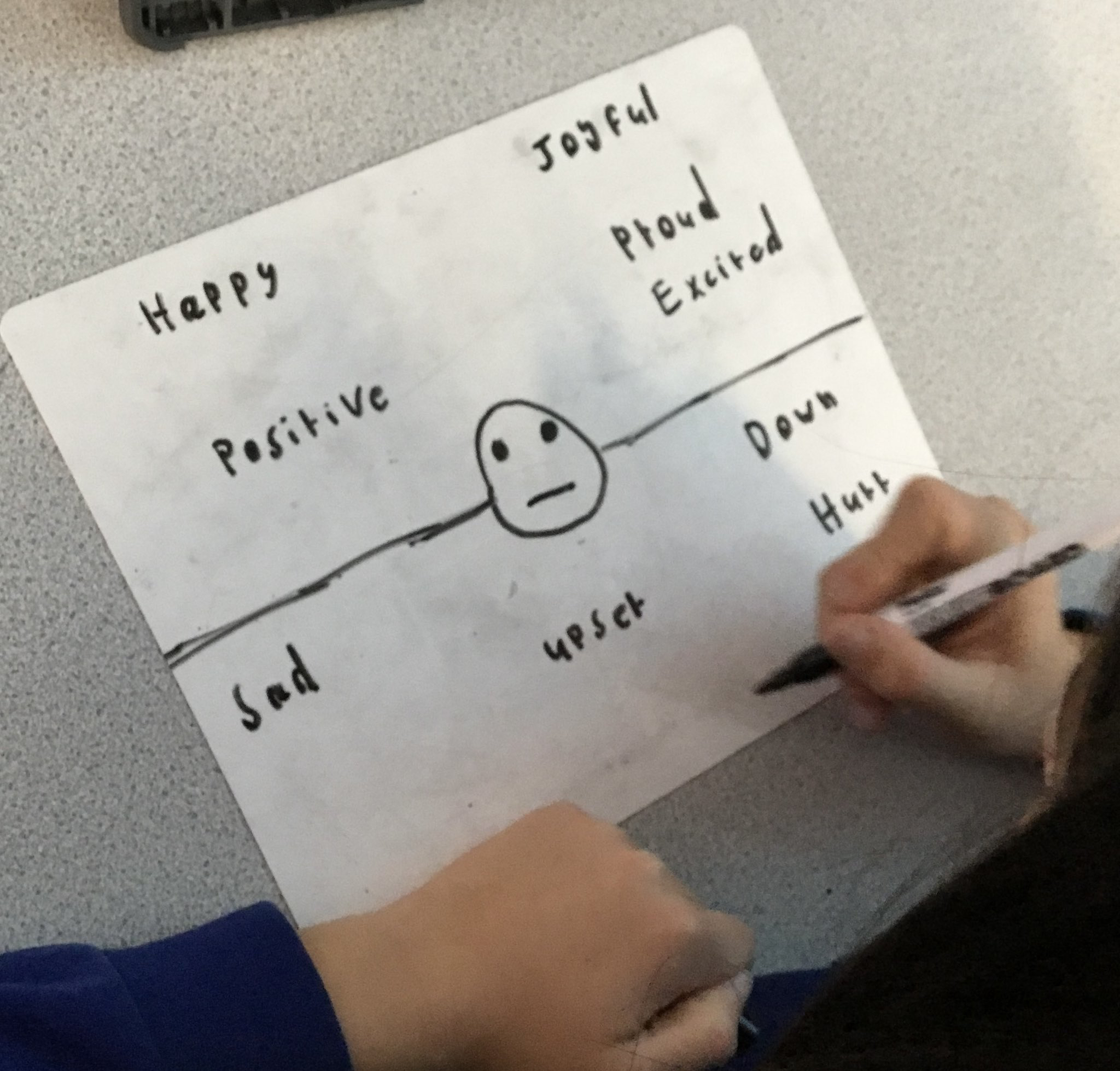
Listen, it’s small, and I know teachers will be doing this up and down the country as well as teaching powerful emotional literacy lessons; however, I have never come across a tool like YouHue that lets you respond and react to how the children are feeling. Being able to react, comment, and respond in real-time is incredibly empowering, and it gives the children a space and a place to unload and free their heads up for learning as well. Give it a go; it’s free for up to 100 children, and I promise you won’t regret it.
If you think YouHue is for you get onboard and explore:
MrM, @MRMICT on X



 MRMICT
Leave a reply to New Year, New YouHue: Checking in on Student Emotions with Discreet Brilliance – MRMICT Cancel reply