

There’s often a familiar pattern that emerges in many primary schools the moment Year 6 SATs are over. Often, in some schools the core curriculum gets packed away, and out come the cross-topic themes, five pound challenges, and sprawling projects that blur every subject into one. I’ve heard it called a “creative release”, “enrichment time”, and even “SATs detox”. But for me, I’ve never enjoyed them or quite seen the logic in pressing pause on structured learning at the exact moment children need it most.
To be clear: I’m not fun sponge, nor do I begrudge children a treat for their hard work. This year, we had a PJ morning with a film and a board game afternoon. It was calm, enjoyable and, crucially, it respects their hard work, without building the SATs up. Because what follows SATs is not a void to fill, but an opportunity to teach without worrying about the pressure of tests looming.
Consistency Matters

Children need and value routine, particularly those who may not experience it outside school. If you think of some of the more vulnerable or challenging members of your class and how when we abruptly change the structure of the day, it can be unsettling. For some children, it’s more than just a novelty, it’s a disruption to the very thing that helps them feel safe and successful in school.
We need to ensure the continued consistency exists, I have seen many schools just stopped teaching maths entirely! The amount of space that now builds up between children doing maths in primary to secondary is a breeding ground for misconceptions.
The Learning Isn’t Done

There’s a dangerous perception, among some parents, and even secondary colleagues, that the SATs signal the end of learning in Year 6. I’ve lost count of the times I’ve been told Year 6 must just be “colouring in” and “playing rounders until July”. I’ve have secondary schools assume we have time to run whole programs of transition for their school. This assumes that every child is going there and that we have the time to do so. Not only is that untrue, it’s unfair to the professionalism of teachers and the potential of children.
There is so much rich, purposeful teaching to do post-SATs. From continuing to deepen the children’s writing, continuing your meaningful science and geography units, to the all-important digital citizenship and transition work. And if we don’t do it, who will? Equally, what does September look like to for those children not accessing their full curriculum entitlement?
Transition Doesn’t Begin In September

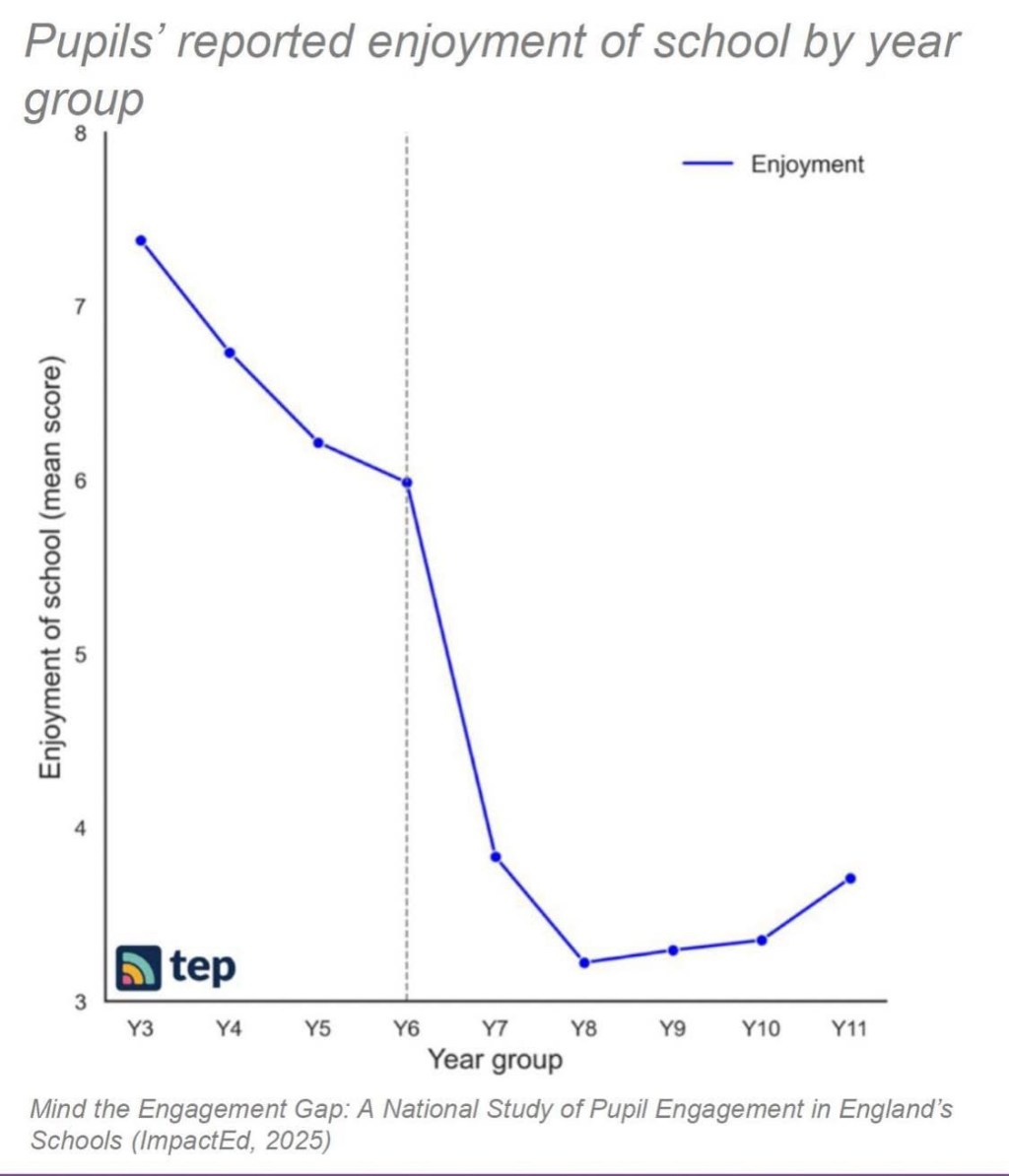
The last half term of Year 6 is critical. It’s our job to prepare children for what’s ahead, not just with uniform lists and timetables, but with academic foundations and the right mindset. Too many children start Year 7 without the confidence or knowledge they need, not because they’re not capable, but because the final weeks of primary school drifted into aimless filler.
Finally, It’s Not Just About The Year 6s

When Year 5s look out onto the field and see Year 6 ‘blowing off steam’ for weeks on end, what story are we telling them about SATs? That they are so intense, so exhausting, that everything grinds to a halt afterwards? That you earn your freedom only once you’ve survived them? For children who are already anxious about tests, this only reinforces the idea that SATs are something to fear.
I want our children to see hard work rewarded, of course, but I also want them to see that learning doesn’t end when the tests do. That the joy of the curriculum isn’t confined to arithmetic papers and reading comprehensions.
Post-SATs is a time to teach freely, creatively and deeply – without abandoning structure. The weeks that follow SATs shouldn’t feel like an afterthought. They’re still part of a child’s primary experience, and for many, the final chapter of a school life that has shaped them in countless ways.
So no, we won’t be abandoning the timetable. We’ll be using the time well. Because they’re not finished yet. And nor are we.
MRMICT




 MRMICT
Leave a comment