
Don’t just check in with student emotions, do something about it.
As the academic year closes, and if you’re anything like me, you will now be able to get to grips with the bookmarks and tabs saved to look at for the year ahead. There was a time when I was on the lookout for an innovative tool to enhance the way I cultivate a classroom that truly supports the well-being of my children. The tool I found that started to make waves was YouHue, an app designed to help children express their emotions and improve their emotional literacy. I have blogged about YouHue before and its many incredible features, but I thought it was important to take a deep dive into the ‘Activities’ feature of YouHue and explore how it can be effectively utilized in your classroom come September.

What is YouHue?
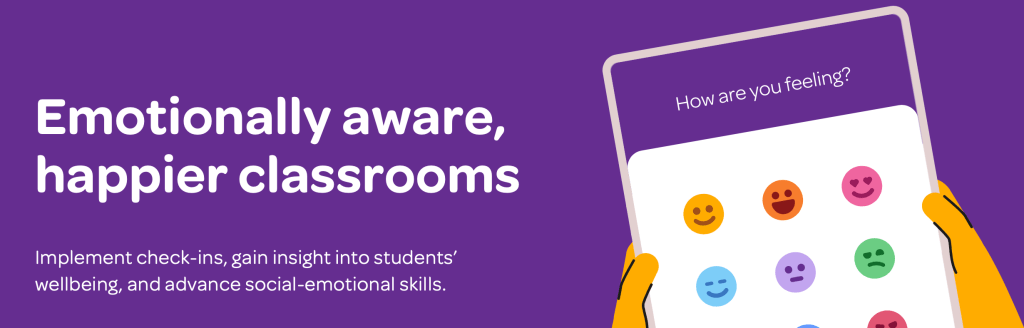
For those new to my ramblings, YouHue is an app that allows children to check in with their emotions through an app. The platform is simple, intuitive, and clearly thought through to ensure maximum engagement with minimum distractions. It has the elegance you would expect of a well-designed app and interface. The children log in and express how they feel by selecting from a range of emotions, all discretely shared with the classroom teacher. The greatest strength of this app is its child-to-teacher interface. Having reflected on how we have used it and discussed it with our children, the point they keep coming back to is this: “I don’t have to feel embarrassed. I know my teacher will see it, and I don’t have to share it with everyone else.” YouHue helps teachers monitor emotional well-being and address issues proactively rather than dealing with them after the fact. The new ‘Activities’ feature of YouHue extends this functionality by offering thoughtful, interactive, emotion-focused activities that provide tangible strategies to help children reflect on how they are feeling and practice regulating their emotions. Essentially, emotional literacy is learning how to recognise, name, and regulate our emotions effectively, and now we have a tool in that toolbox as already time-stretched, busy teachers.
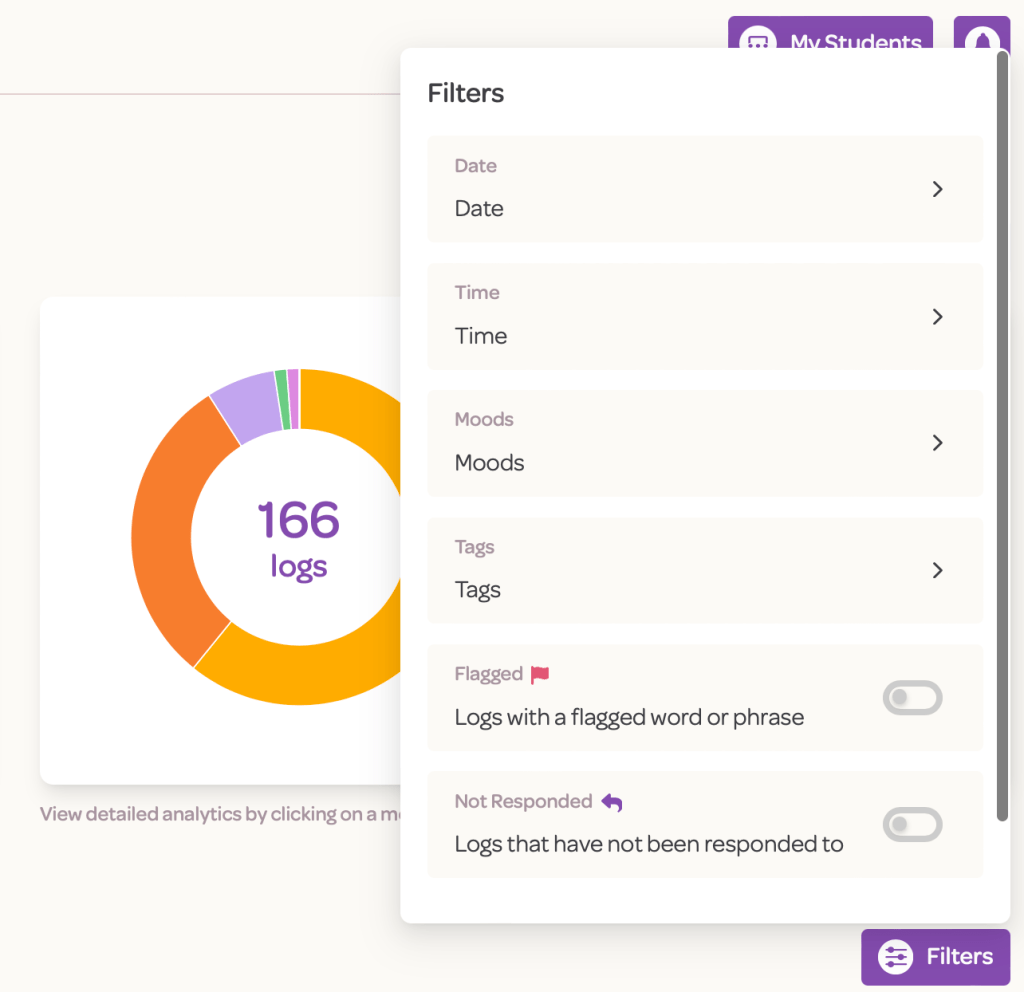
YouHue has added many subtle little tweaks that continue to make it a superior app for the classroom. A favourite of mine, which may seem a little boring, is the filter tool. I can filter through a class’s or child’s posts by date, moods, or whether it was a flagged post. This helps me cut straight to the information I need. If, like us, you use YouHue 2-3 times a day, that is a lot of data to track, and often you want to check on the most extreme moods or those particular children that need a little extra support. It might be that you missed something, and this is easy to do and a real time-saver. If needed, I can take a deep dive into a particular child’s posts by generating a report. This is also something that can be used in SEN review meetings or parents’ evenings to share how the child is feeling during the day. If a particular issue arises, you can refer to pastoral teams to pick up as well.
The Activities Feature
When a student logs a mood I have always had the opportunity to respond. This could have been a simple predefined message provided by YouHue based on the mood or it could have been something I write directly to the child.

However, a recent addition has been the activity feature. I can now respond with an actual tangible strategy for the child to use.
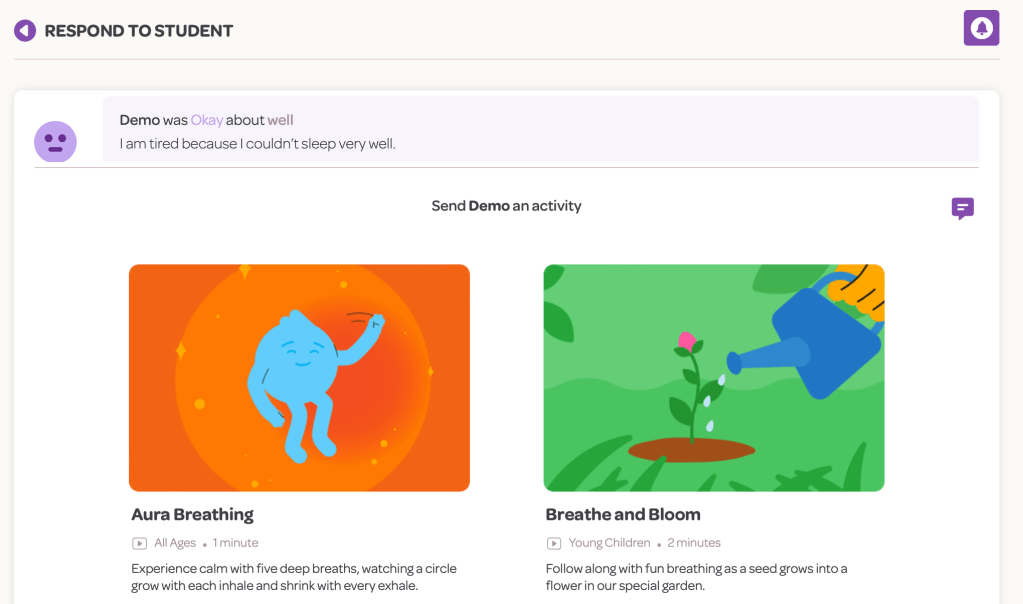
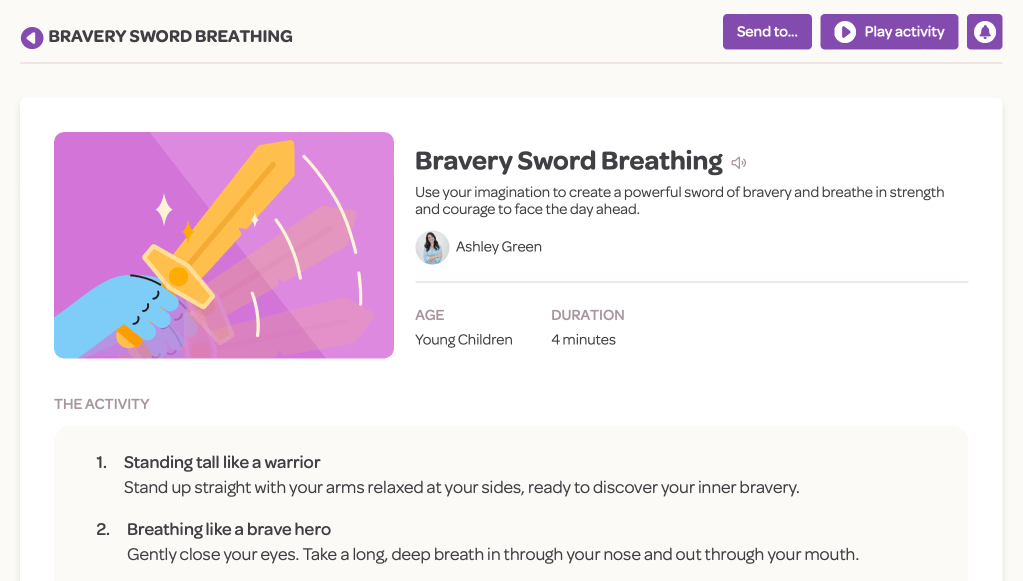
Prior to YouHue, I used a range of different tools, YouTube videos, and other apps and often spent time searching for the right activity to respond to an appropriate emotional response from a child. The activities feature, firstly, eliminates all the searching. If a child comes into the class in the morning anxious, I can set them an activity such as:
“Bravery Sword Breathing”
or
“My Anxiety Map,”

Both of these are age-appropriate strategies, that are sent to a child individually to interact with. These activities offer the child a space to reflect on the emotion they are feeling and give them a few minutes to unwind, calm themselves, and prepare to tackle the day ahead. The brilliance of YouHue is that if, over time, this same child checks in with anxiety on, say, a Monday morning, I can firstly prepare the activity ahead of time, having developed this insight into the child’s feelings. I can then respond initially with the activity but take this further by setting up a Monday morning routine or plan to help the child develop their resilience and start to identify triggers and develop strategies. This is the brilliance of YouHue: previously, I might begin to realise there is an issue with this child, but it might not be clear or could take longer to unpick the issues at play. With YouHue, I have created a culture of openness where sharing how we feel daily is part of the classroom.
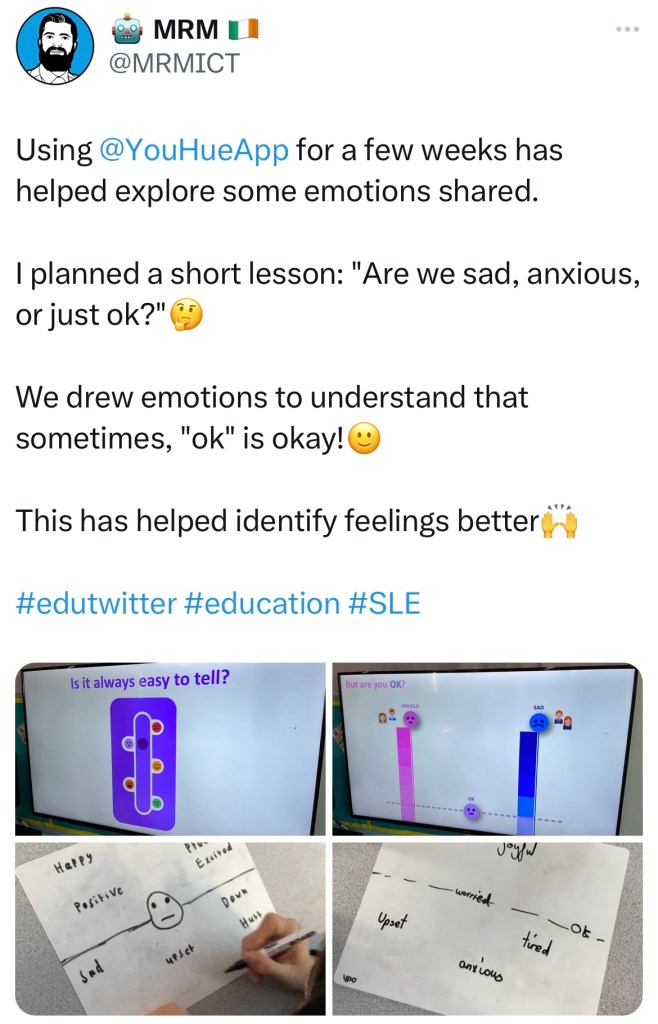
Implementing YouHue in the Classroom
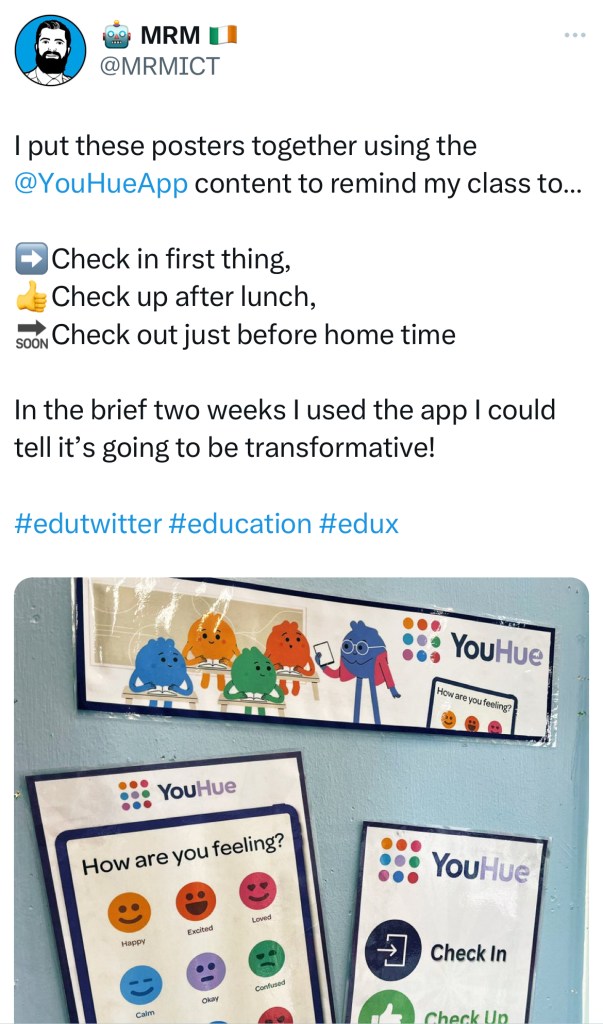
To effectively integrate YouHue into your classroom, consider the following tips:
- Consistency is Key: Make YouHue a regular part of your day. This could be during the morning, after lunch, or at the end of the day.
- Create a Culture of Sharing: Ensure that children feel comfortable sharing their emotions by allowing them time to use the app and showing that you are checking.
- Be Flexible: Adapt to suit the needs and dynamics of your classroom. What works for my class may need tweaking for another.
- Involve Children in Planning: Allow children to have a say in the ways they participate in the logging.
- Monitor and Reflect: Use the data from YouHue to monitor trends in children’s emotions and reflect on the effectiveness of any activities or strategies. I would also ensure you have more than one adult available to check moods as you will likely be busy teaching.
Conclusion
The YouHue app, has been transformational in school. I genuinely can’t see how we managed without it and I believe as it develops it has so much more to offer. Its check ins along with its incredible activities feature, offers a unique and effective way to support emotional well-being and engagement in the classroom. By incorporating these activities into your daily routine, you can create a supportive and empathetic environment where children feel understood and valued. As we reflect on the year that has passed and embark on a new academic year, tools like YouHue can play a crucial role in fostering emotional literacy and resilience among children, setting the stage for a fulfilling school day.

Start the new academic year with YouHue and watch your children thrive emotionally and academically.
Karl (MRMICT)




 MRMICT
Leave a comment