
Engaging in dynamic conversations about ‘task design’ with schools, both in person and through our new Facebook group, has been an interesting and thought provoking experience lately. However, a noticeable fixation on a supposed silver bullet solution has emerged, prompting me to explore the world of task design further.
Task Design is essential – being able to think thoughtfully about the tasks you give children is undoubtedly where we all want to be. As a starting point, I’m talking about not going on a Google hunt for a task you hope you can tag on to the end of your lesson. Additionally it goes beyond just creating visually appealing tasks, though that isn’t to say how it looks doesn’t matter. Task design, for me, is a fresh way of describing an approach or methodology that resonates universally among teachers. Task design bridges curriculum with real-world understanding, ensuring activities are purposeful, enhance instruction to ultimately enable the secure acquisition of knowledge.
To be clear, I decided to embark on a blog series breaking down this concept further. In this feature, the focus shifts to ‘curriculum’ the beginning of our ‘Task Design’ story arc.
Task design is great; it serves a very real and specific purpose. However, without a clear and effective curriculum in place, task design’s effectiveness diminishes. Over the past six years, the term ‘curriculum’ has risen to the top of senior leaders’ development priorities, rightly so.
I have been in conversations lately where colleagues in various settings and schools often ask, “When is the curriculum done?” Well, I have news for you all: the curriculum will always be changing. It’s often those colleagues who have been teaching for a long time who despair the most, but consider this to justify the point. We only have to look at our History curriculum to know that as our present continues to become past, the curriculum will naturally change. Often, other educators will talk about “life skills”—these, too, have changed. We don’t really need to read a map in the way we did 10-20 years ago, so our Geography curriculum will also adapt and change. The key, though, is developing a coherent spine or foundation. Yes, the main substantive content will indeed ebb and flow, but how the children interact with each particular subject discipline will not.
So, what is curriculum?
Curriculum is the progression of knowledge and the intentional shaping of what you want children to know and do. Striking a balance is crucial; often, we overcomplicate curriculum, but oversimplification can also create problems. A knowledge-rich curriculum transmits rich subject knowledge and encourages exploration and discovery of different perspectives and disciplines.
It is incredibly important that you know what your curriculum says at a school level? Is it joined up? I want to be clear – not in terms of topics or thematic approaches, but in relevance and utility. Does your curriculum connect the dots between subjects? This could mean ensuring you teach about Jesus in R.E. and his conflict with the Romans after students have acquired sufficient knowledge of the Romans in history to contextualise both more successfully. It could involve expecting children to present data in a graph in Science that they’ve learned in Maths. A thoughtful curriculum allows each subject to effectively communicate with the others but not at the expense of another.
This integration demands significant time and effort, often only achievable through experience, teaching, reflection and more importantly cooperation. We need tools to encourage children to develop schema and make meaning for themselves by offering the opportunities needed to develop and join up their knowledge. We often express a desire for our children to think critically but they cannot do that without the knowledge to do so. I often hear schools stating that they offer an enquiry based approach, yet children need knowledge in order to enquire. We’ve all been in situations where we’ve been asked to ‘find out’ how to do a task or job. It’s daunting, scary and more often than not we get it wrong. When working as a barista I once had a manager say “Who taught you how to make coffee?” My reply was, no one, I was just expected to get on with it. So naturally my coffees were burned and very fluffy (milk froth). Knowledge cannot just be stumbled upon successfully.
Keep it Simple

Simplicity is always wise advice. When developing and structuring a curriculum, it’s crucial not to overcomplicate it. Teachers, if you find your curriculum too simple or lacking guidance, you have the agency to create the threads between.
You may have a single overarching question, you can still develop the sequence that gets you there. My advice here is don’t think lesson to lesson. Craft the story or narrative. If you are answering the question: What made the ancient Egyptians so successful? Pick a unifying element of their civilisation. Is it their beliefs, engineering, farming etc.

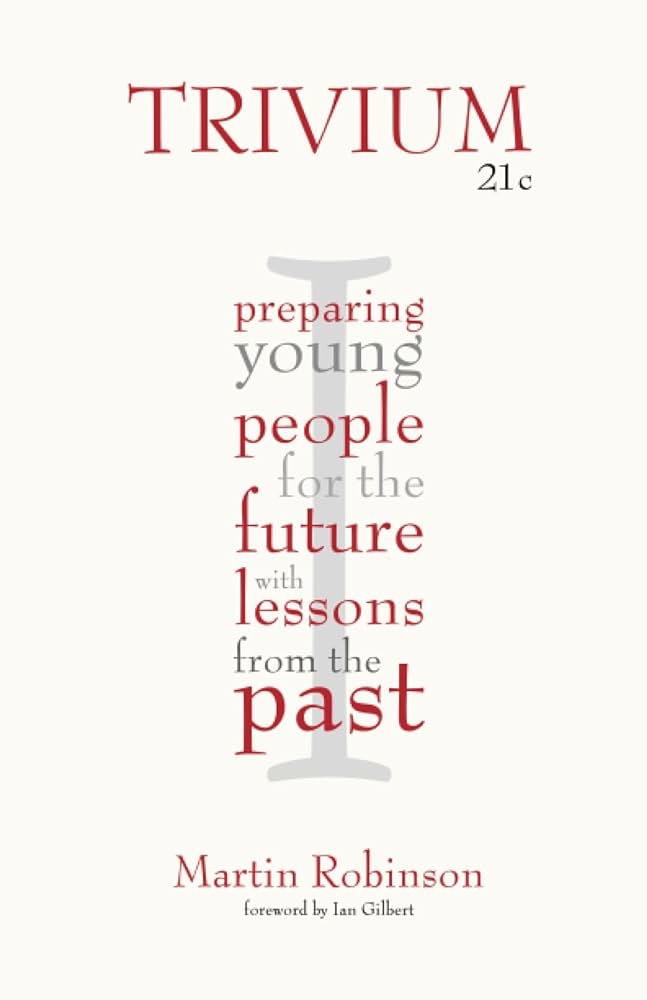
Martin Robinson extensively discussed curriculum, and his ‘three arts’ in his book Trivium 21c: Preparing Young People for the Future with Lessons from the Past. Although I’m paraphrasing these resonate with me:
1. What is the core knowledge that you want children to acquire? How are you supporting them to develop this within and across subject disciplines?
2. Are you allowing children space to organize, debate, reason, and argue to develop their character or opinions?
3. How is your curriculum set up to allow your children to express these ideas? What opportunities are provided as the means for articulating this curriculum?
This isn’t about creating statements of intent or inquiry questions like, “How have the ancient Greeks influenced lives today?” It’s about being clear on your curriculum narrative or ‘story arc.’ Where are you starting from, and where are you going? While various curriculum models exist, my personal belief leans towards a knowledge-rich, focused approach.
Curriculum leads your job is to ensure it’s well-sequenced and clear, while subject leads you must ensure subject integrity. As a subject lead, it’s crucial to provide key substantive and disciplinary knowledge, empowering staff to develop high-quality lessons with thoughtful tasks.

According to Mary Myatt, a well-constructed, well-taught curriculum will lead to good results because those results will reflect what pupils have learned. This is the fruit that you want your curriculum to bare. If your curriculum is thought out and well structured your tasks, assessment and discussion will show this like a singing canary.
Join me again for the next episode of this: Task Design Timeline.
Feel free to get in touch to offer feedback, ‘kind’ criticisms or to ask any questions on Twitter (X) @MRMICT.
Karl




 MRMICT
Leave a comment