

This week, I had another opportunity to discuss computing with the incredibly knowledgeable Rachel Higginson (@creativeHigg).
While the conversation primarily focused on my experience leading computing, there were occasional and inevitable dips in and out of my view of curriculum and ‘Task Design.’ It reminded me that my approach is not accidental and gave me space to reflect purposefully on the changes we’ve implemented over the last year.
Last year, when I started in my current role, as mentioned before, there was little reading specifically on Task Design. However, with the help of an incredibly talented and thoughtful staff and a supportive Curriculum Team, the space for ‘Task Design’ was already being carved out.
What is it? Well, in its simplest form, it’s the curriculum in practice. What does your curriculum look like in ‘REAL LIFE,’ as my 3-year-old would say? Recently, while leading my Task Design network on Geography, I asked the participants one question: ‘What is a task?’ The answers were displayed in a word cloud, revealing a range of language used to describe tasks and possibly even clear misunderstandings of what a Task or Task Design is.
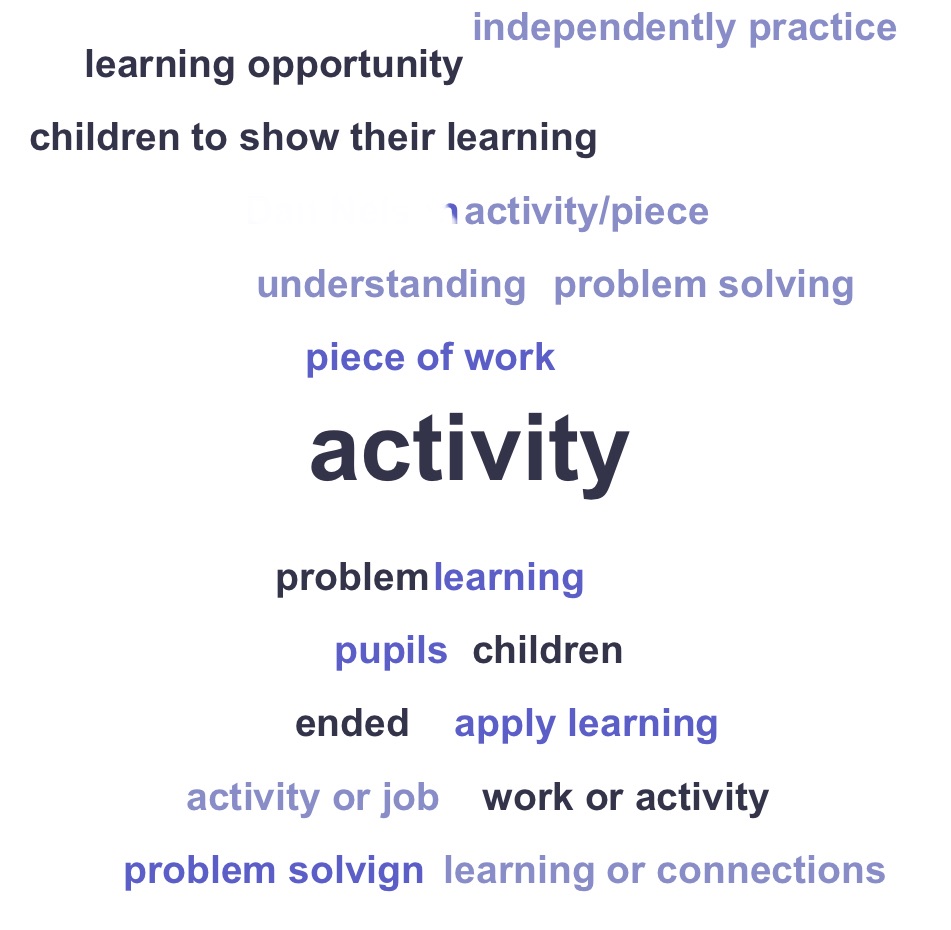
Words such as jobs, worksheets, challenges; however, it was ‘activity’ that was the biggest. This shows that we can fundamentally misunderstand what a task is in the classroom. Even the notion of calling these tasks jobs in EY and KS1 was interesting. One of our Year 1 teachers said on reflection that calling them jobs makes them sound like work and that everything else is play. This is why the Year 1 team has consciously called them rainbow tasks.
Let’s unpick ‘activity’ before moving on. Activity – things are happening or being done. That’s the dictionary definition, and it’s clear it could suffice, but there are also problems. Things being done or happening create the misconception that learning is happening. We now know that loud discussion, business, and a neatly written explanation don’t show understanding – these are poor proxies for learning.
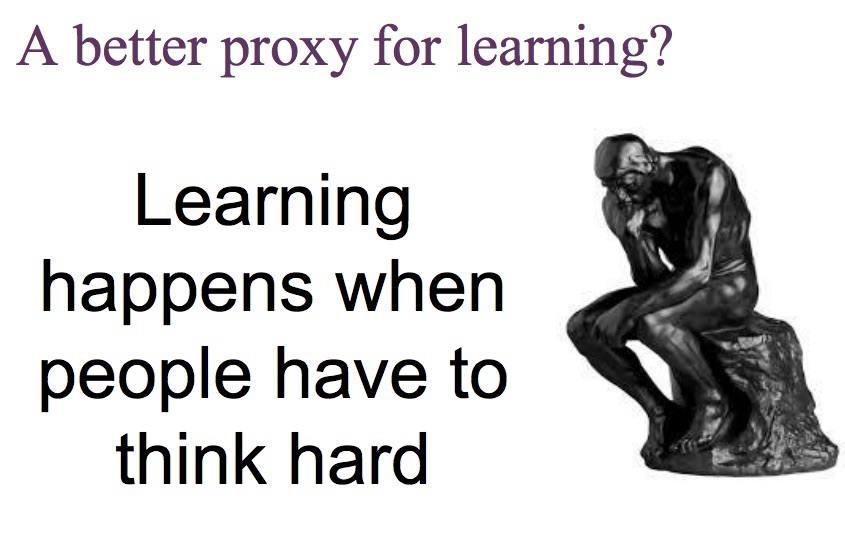
Subverting things slightly, a task by definition is similar; however, I think of tasks as something slightly different. For me, it is a tool to enable children to learn to use the knowledge they’ve been given. We want the children first to recall; for example, I have taught/told you that tectonic plates move in different ways. Can you tell me those ways and describe them? However, you want your tasks to sit in this realm but move past it at the same time. This is where task design gets interesting.
Virtually all tasks I used before thinking deeper about my task design were simple and straight recall tasks. I would gush at the children’s ability to regurgitate what I had taught them moments earlier. I would even dare I say it… assume that they knew it; well, why wouldn’t I, they had written it down. I have written about SOLO taxonomy before and talked about Bloom’s. Now I’m not getting into a discussion about their purpose or use within education. However, what is clear is both provide useful lenses to see our tasks through.
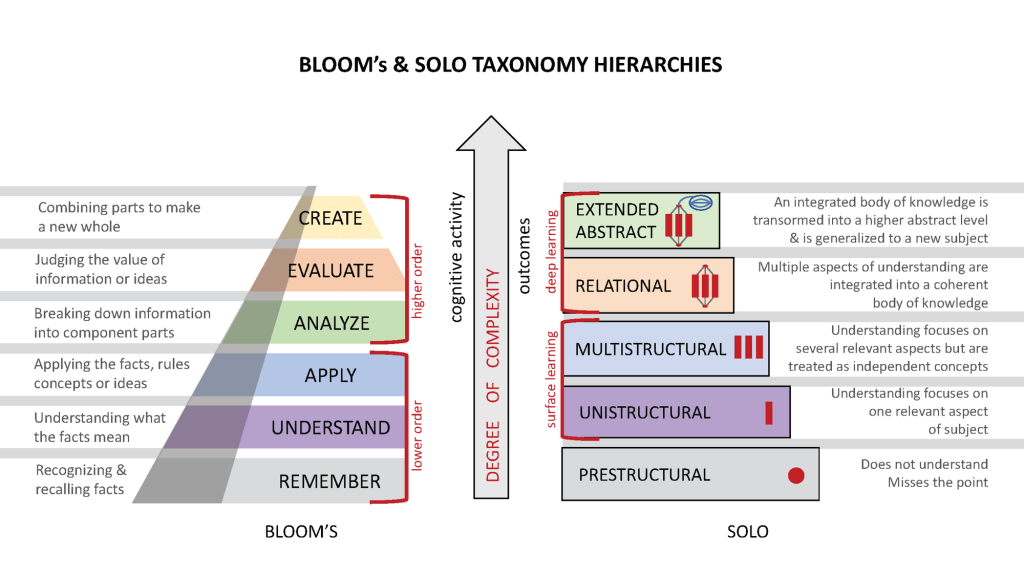
In SOLO, we start with unistructural and then multistructural – these are your surface learning and recall “I know what you have told me.” In Bloom’s, these are your remember (not much time to unpick this one), understand, and apply. This is also very much “I know what you have told me.” A perfect example of a task that sits here is teaching the hierarchy of a historical society and then asking the children to complete a task in which they place them in the right place.
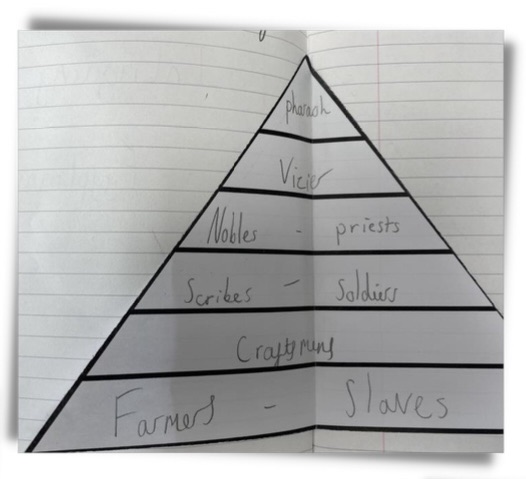
This doesn’t show anything other than remembering the order, but do they understand the significance of these positions or why they existed in more than one culture? My point here is that there are a multitude of tools at our disposal, yet somehow we have lost ourselves along the way.

I place the blame in two related areas. The first is time. Teachers are time-poor. Let’s take a 1-form primary teacher planning potentially every lesson, every one of them. This is where simple tasks that LOOK as though they’re doing the job fit the purpose. You would honestly need to plan every non-teaching minute to get close to what would be considered as a more challenging and disciplinary approach. The second is the easy access to resource websites, I won’t name them, as they serve a purpose and ultimately we aren’t machines. The two though are related, because teachers are time poor, they turn to resource websites. How can we create simple wins and how can we foster simplicity without focusing purely on recall? Low floor, high ceiling.
Firstly, I have to say a huge thank you to Kate Jones (@KateJones_teach)
and
Matt Lynch (@Mathew_Lynch44) for this brilliant task inspiration.
Our Curriculum lead had suggested using the below task idea as a task we would try across school.
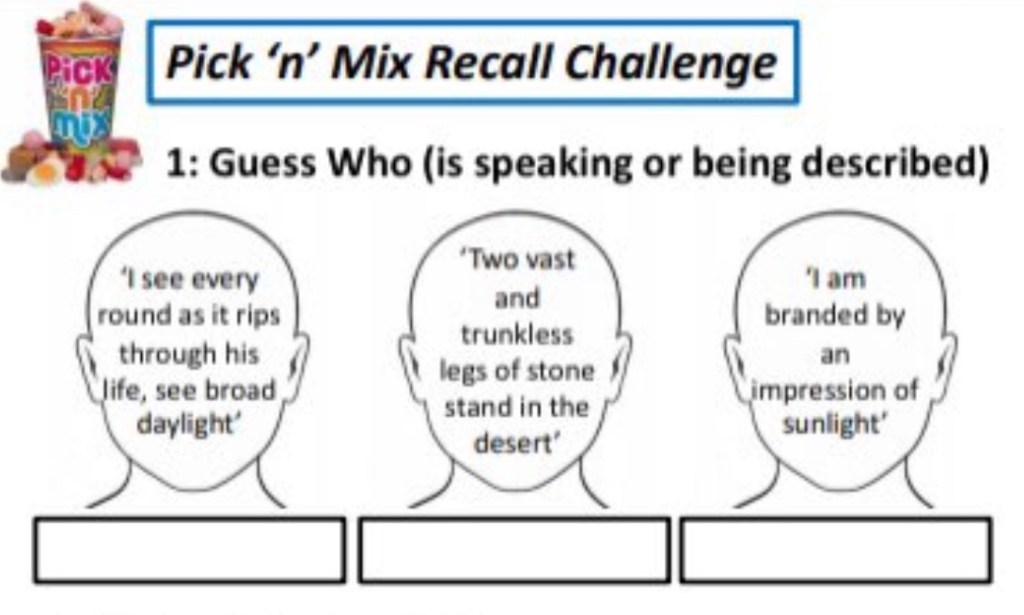
It’s incredibly simple. How could it become a task used across school to ‘deepen thinking’? I hear you ask. Simple, willingness. We tweaked it and introduced it as this:
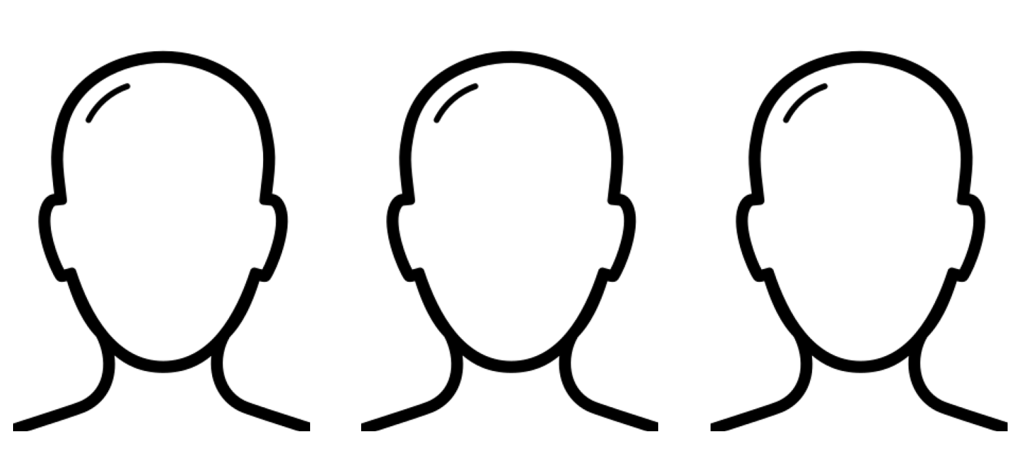
There’s little difference in the representation, other than it made it easier to add text or images. The task itself was to adapt this task, and for staff to be resilient, be allowed to make mistakes, then we would come back together to share what we had done and how we had used it.
What happened was incredible. Having gone away and encouraged everyone to use the task at least 3 times in as many subject areas as possible, I was genuinely blown away by the versatility of the task and the inventiveness of teachers at the school. Some examples of which are below.
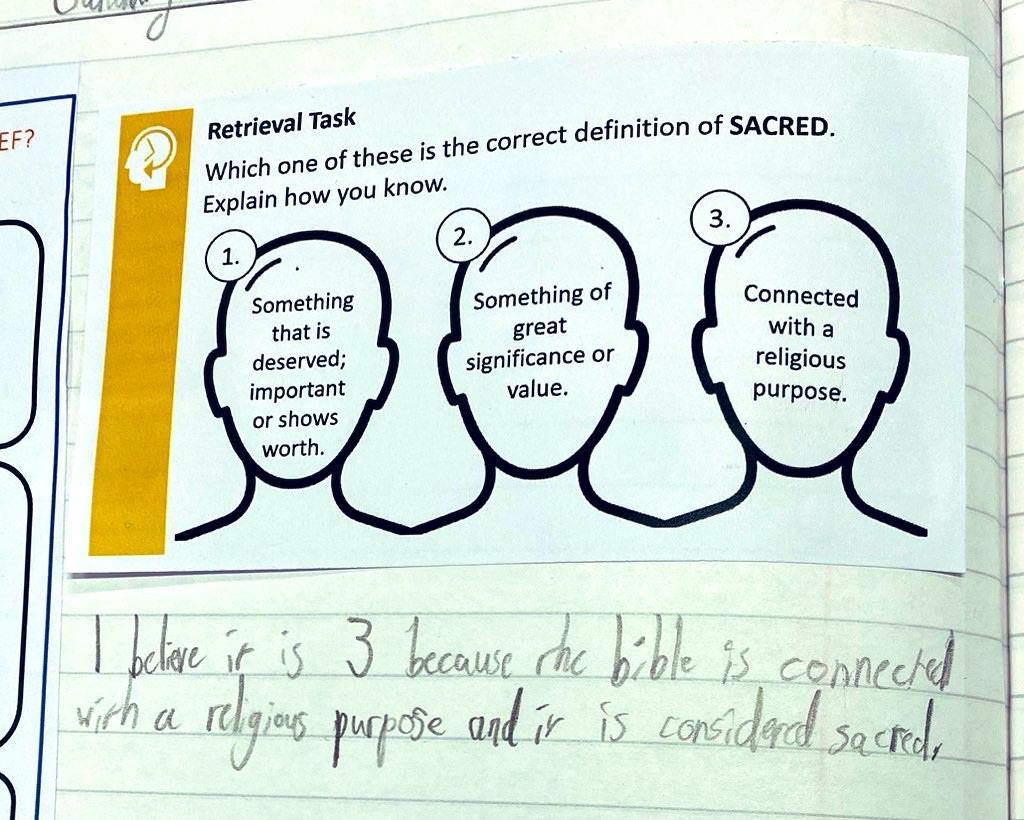
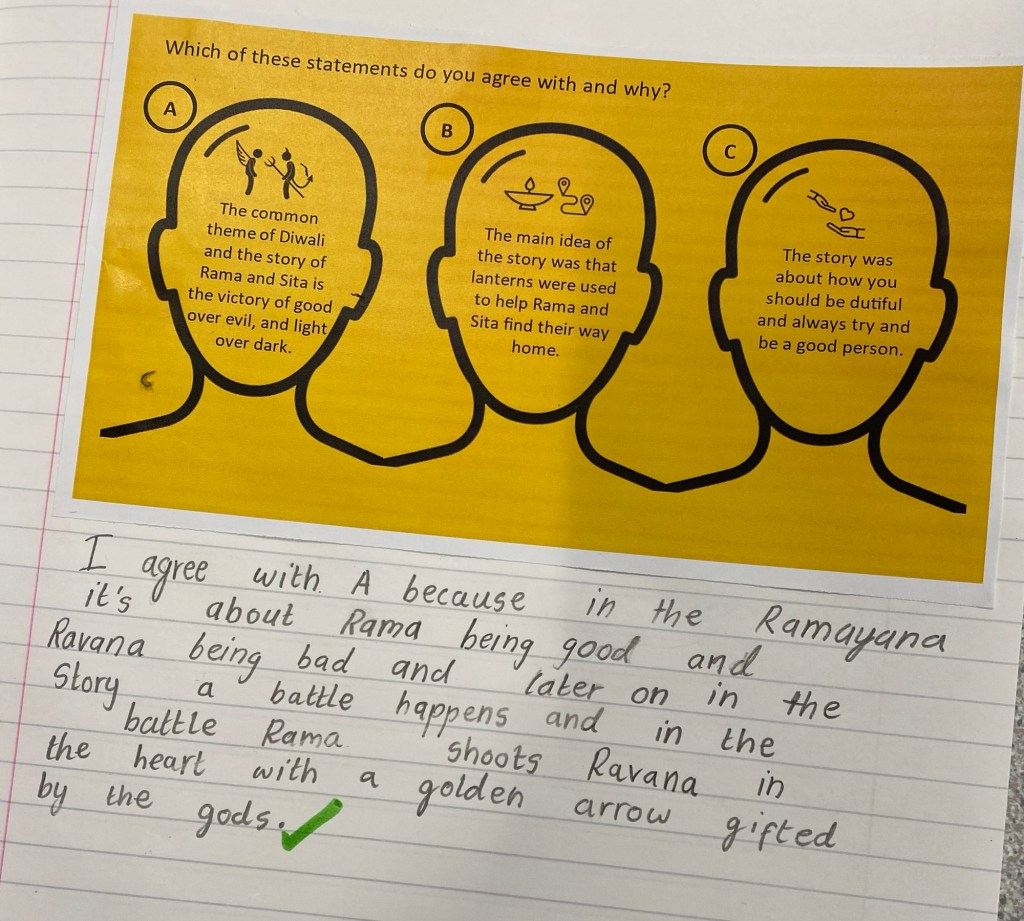
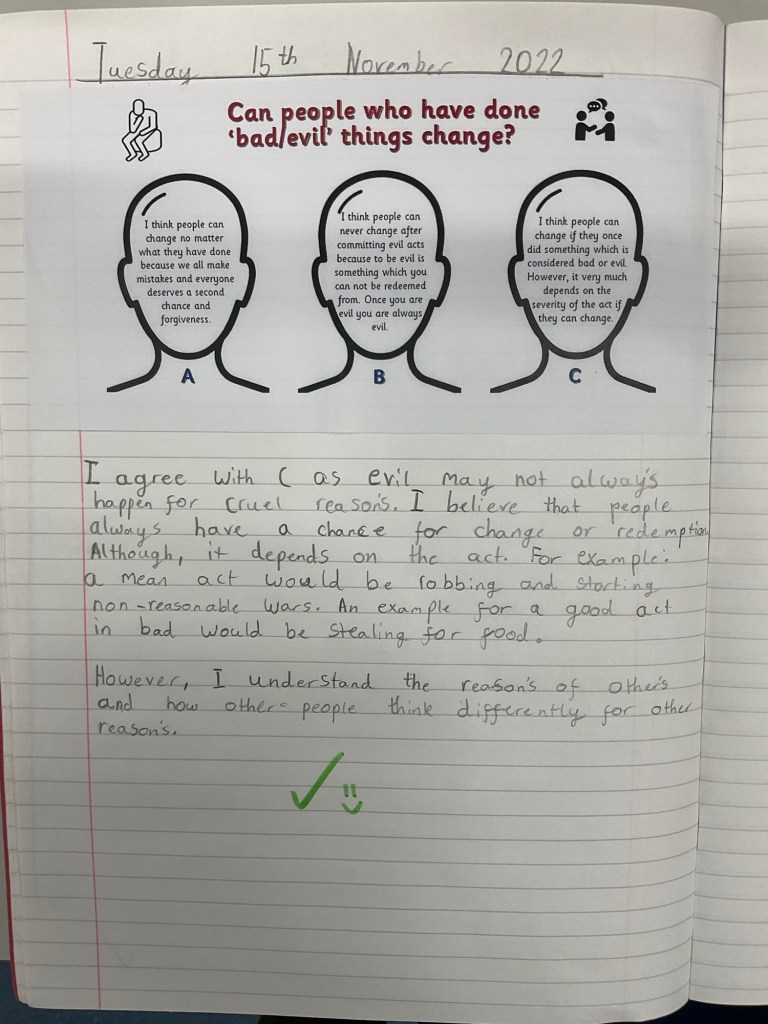
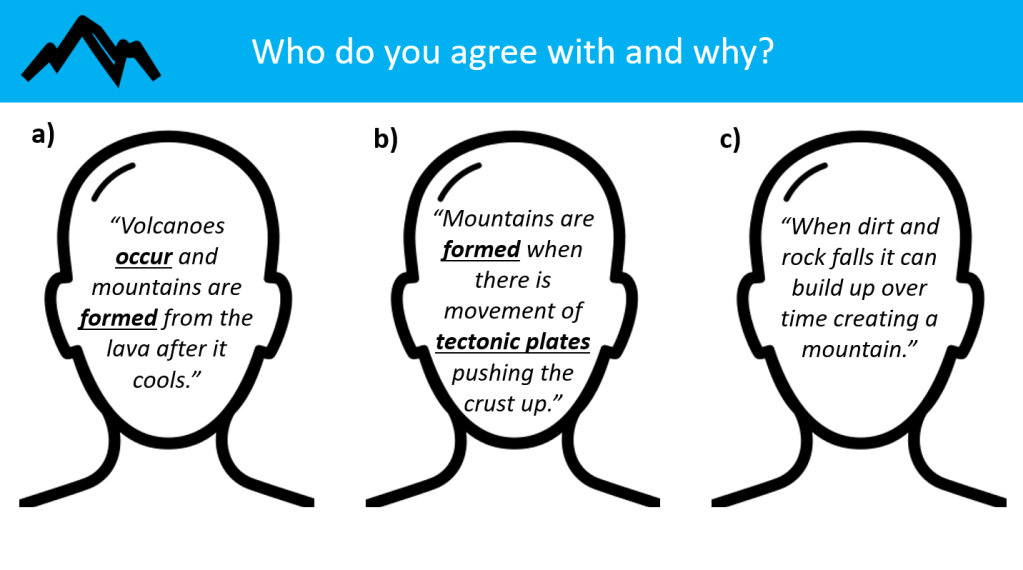
What was amazing was how simple the task was yet, the task allowed for everyone to access, as everyone had a starting point to hang their thinking on, but it also allowed the children to really open up their thinking and deepen their learning.
Based on how we have used the task, I have some tips. First, you could use more than 3, but I genuinely think 3 is enough; it’s the magic number. Secondly, I believe for it to encourage deeper thinking, all 3 heads should be equal in their correctability. Although we’ve used it as a retrieval task, guess who, and matching task, it works best as a thinking task when all values are equal, like this example below. All are right, yet there is a ‘more’ right answer.
So what my rambling has hopefully unearthed here is that I want you to start thinking simply to start nurturing complexity. Give the task a try if you haven’t already, and do follow me on X (@MRMICT) or join our Facebook group https://www.facebook.com/share/DxctcQz8mJAkFf3w/?mibextid=K35XfPfor more.
As always, feel free to get in touch to offer feedback, ‘kind’ criticisms or to ask any questions.
Karl




 MRMICT
Leave a comment